
What Are Boogers Made Of?
What are boogers made of? Those sticky little blobs in your nose – often get a big “eww!” But believe it or not, boogers are more interesting than just something to flick away. In this playful science-parenting guide, we’ll turn the gross into cool. Ever wonder what boogers are made of and why we even have them? Let’s dive in (not literally!) to discover the surprising truth about boogers and how they help keep our bodies healthy.
Boogers Are Made Of What???
Think of your nose as a built-in air filter for your body – and boogers are the filter gunk it catches. So, what exactly is in that gunk? Boogers are essentially made of dried-up mucus (a.k.a. snot) plus all the tiny trespassers it traps. Here’s a quick breakdown of the “ingredients” that make up a booger:
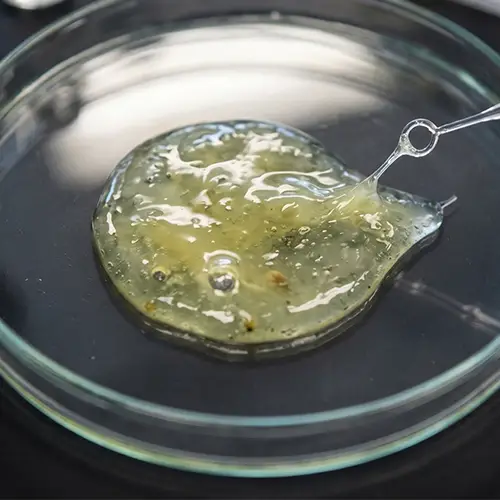
Mucus: This is the main ingredient that boogers are made of. Mucus is 95% water (yep, boogers are mostly H2O!) mixed with proteins and salt. Think of mucus like a sticky glue or spiderweb that will catch whatever floats by.
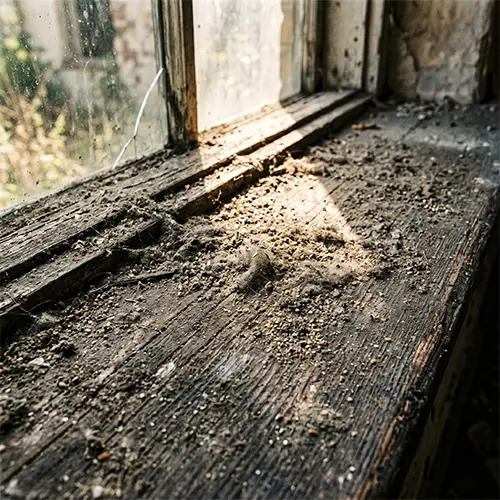
Dust & Dirt: Ever see dust on a fan or under a bed? Similar tiny dust particles are flying in the air. When you breathe, dust and dirt get caught in your snot, so they don’t reach your lungs. Your boogers are made of some of that household dust you sneezed at earlier!
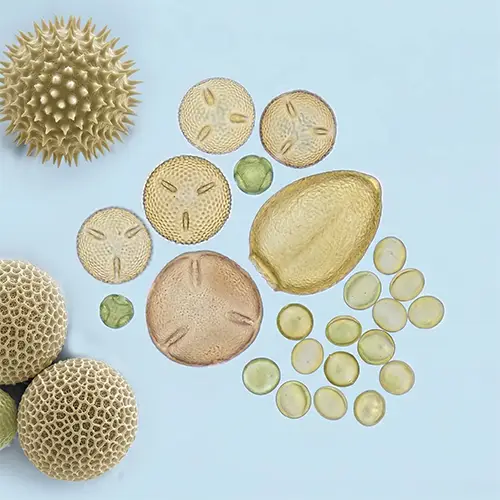
Pollen: During springtime, plants release pollen (the stuff that makes people sneeze). Pollen grains are super small – but your handy mucus can snag them. If you’ve been outside, your boogers might contain pollen bits (like little yellow specks) trapped from the air.
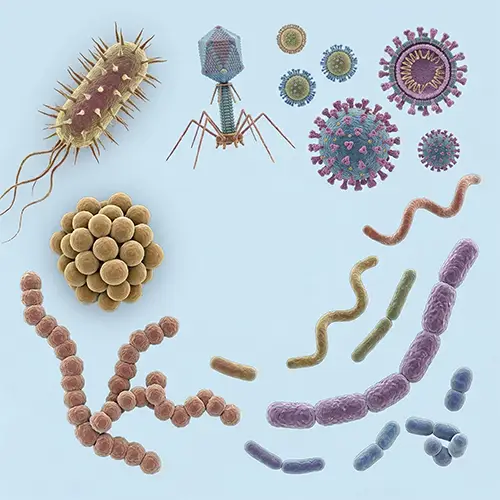
Germs (Bacteria & Viruses): Here’s the gross-but-cool part: boogers are made of actual germs that were trying to get into your body. The mucus in your nose grabs bacteria and viruses – kind of like flypaper catching flies – to stop those germs from invading. So a booger is often a dead-end graveyard for germs (better in the booger than in your lungs!).
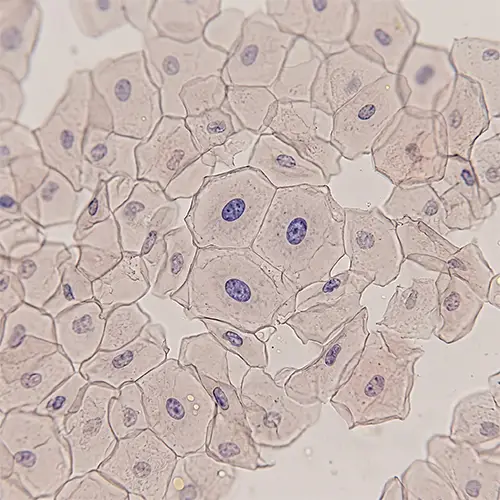
Tiny Skin Cells & Debris: Inside your nose, old skin cells from the lining can shed and get stuck in mucus, along with any other teeny-tiny debris (like smoke or pollution particles). All that microscopic stuff adds a bit of “texture” to your boogers.
When all these things mix with mucus and then dry out, you’re left with that clump of nose crud we call a booger. Boogers can be squishy and sticky or crumbly and hard depending on how long they’ve dried and what they’re made of. Every booger is a little bit different (how special, right?).
Do Boogers Have Protein In Them?
Yes – boogers actually contain protein! Surprised? Most kids are. When you ask “what are boogers made of,” protein is one of the secret ingredients hiding inside that gooey little blob.
Remember how mucus is mostly water? Well, the other 5% is where things get interesting. That tiny percentage is packed with several types of protein, all doing important jobs to keep your body safe:
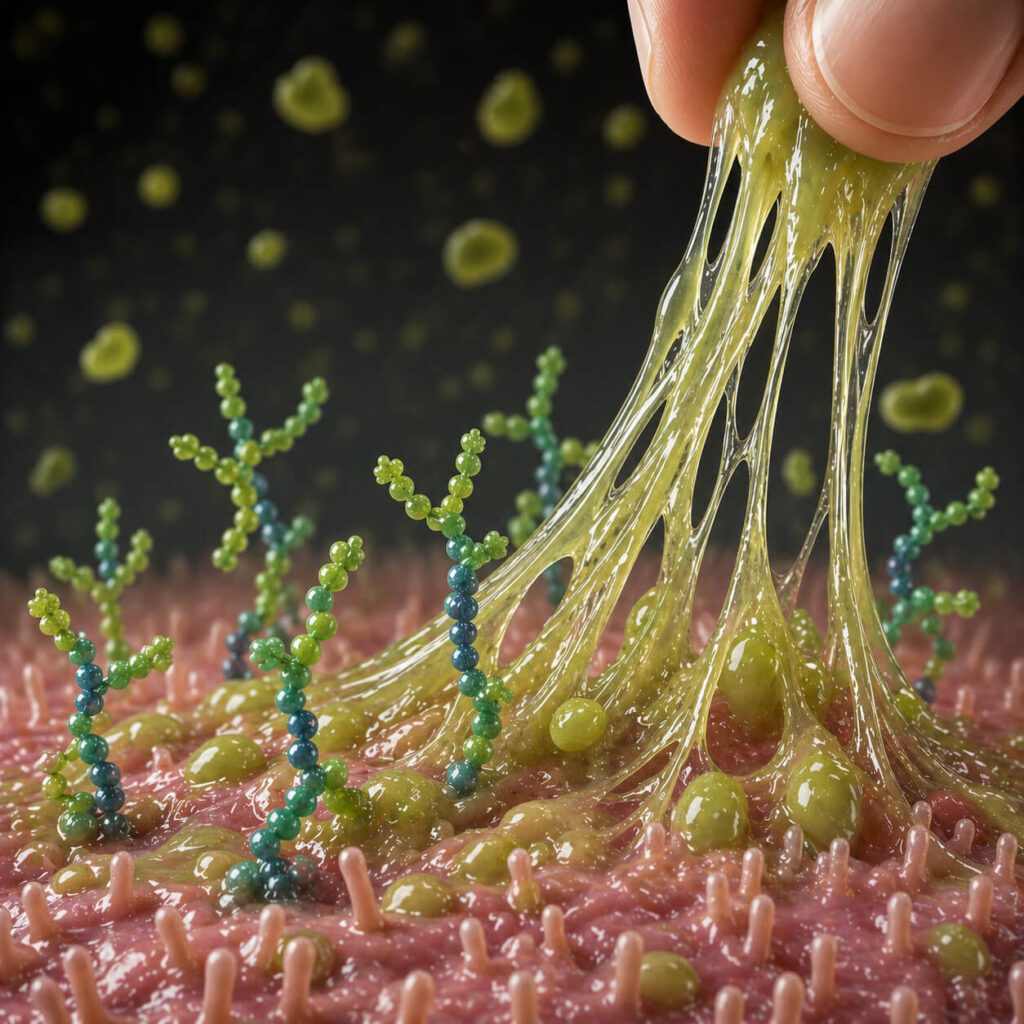
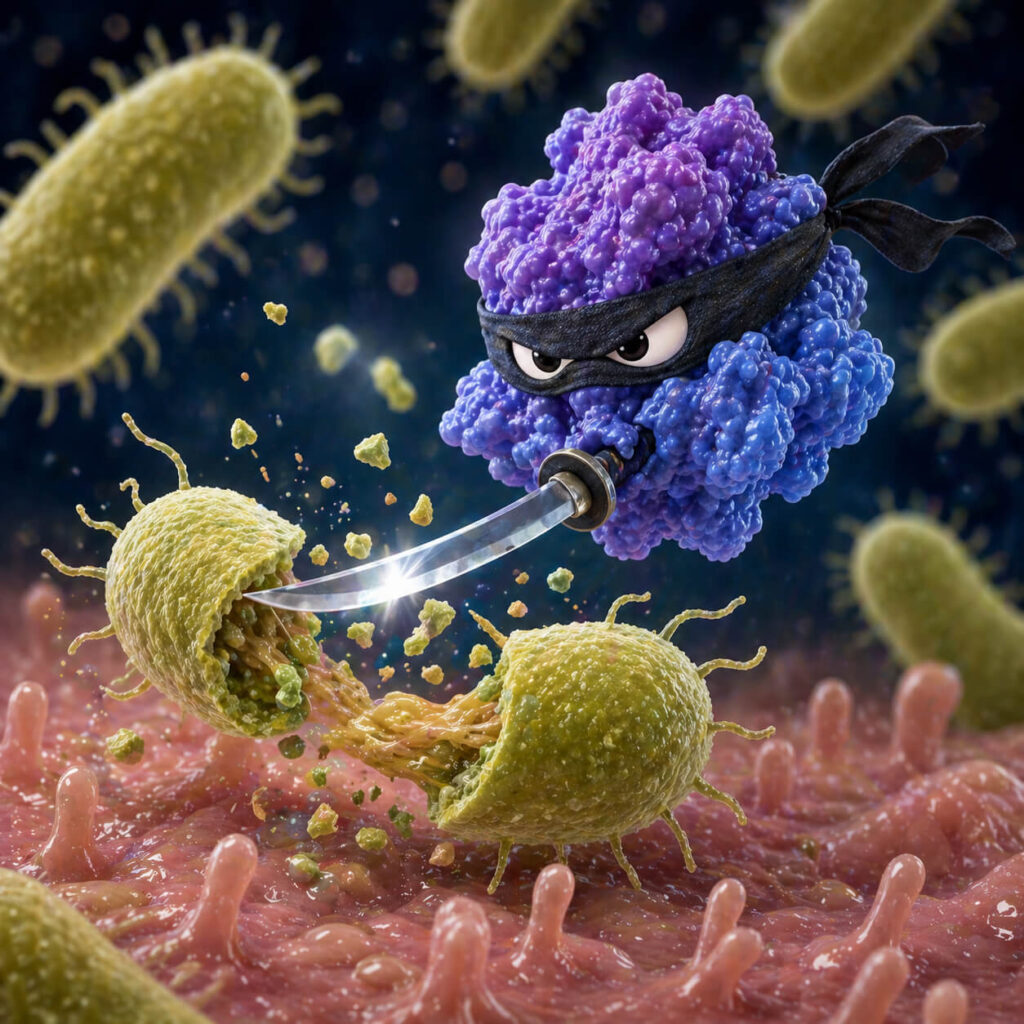
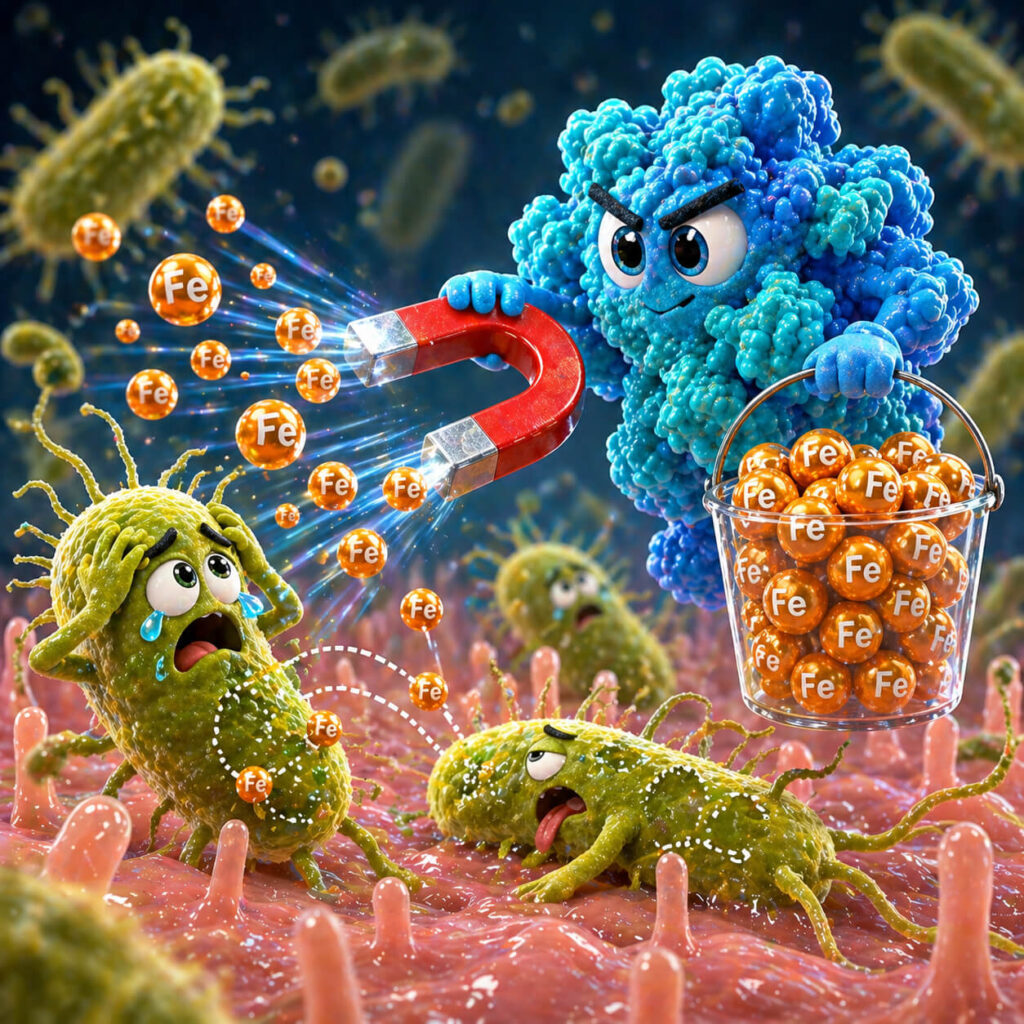
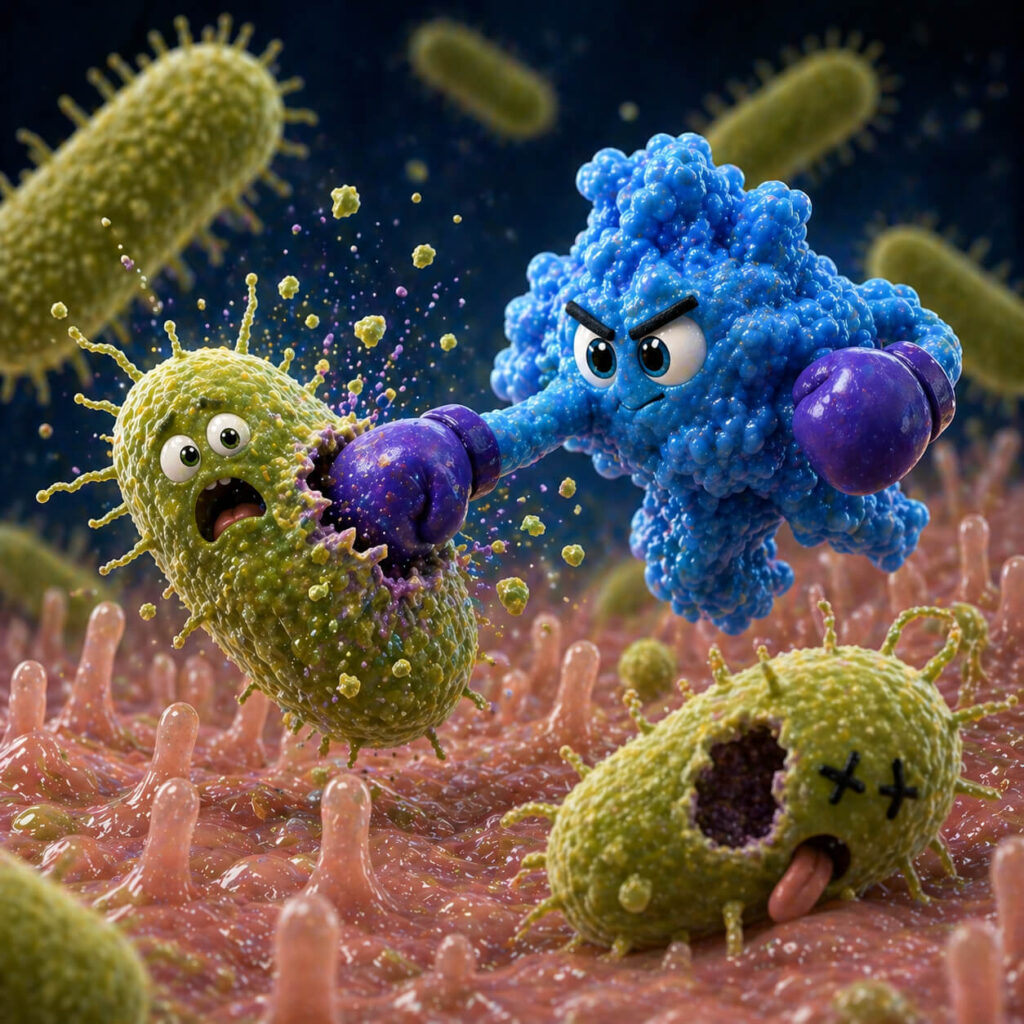
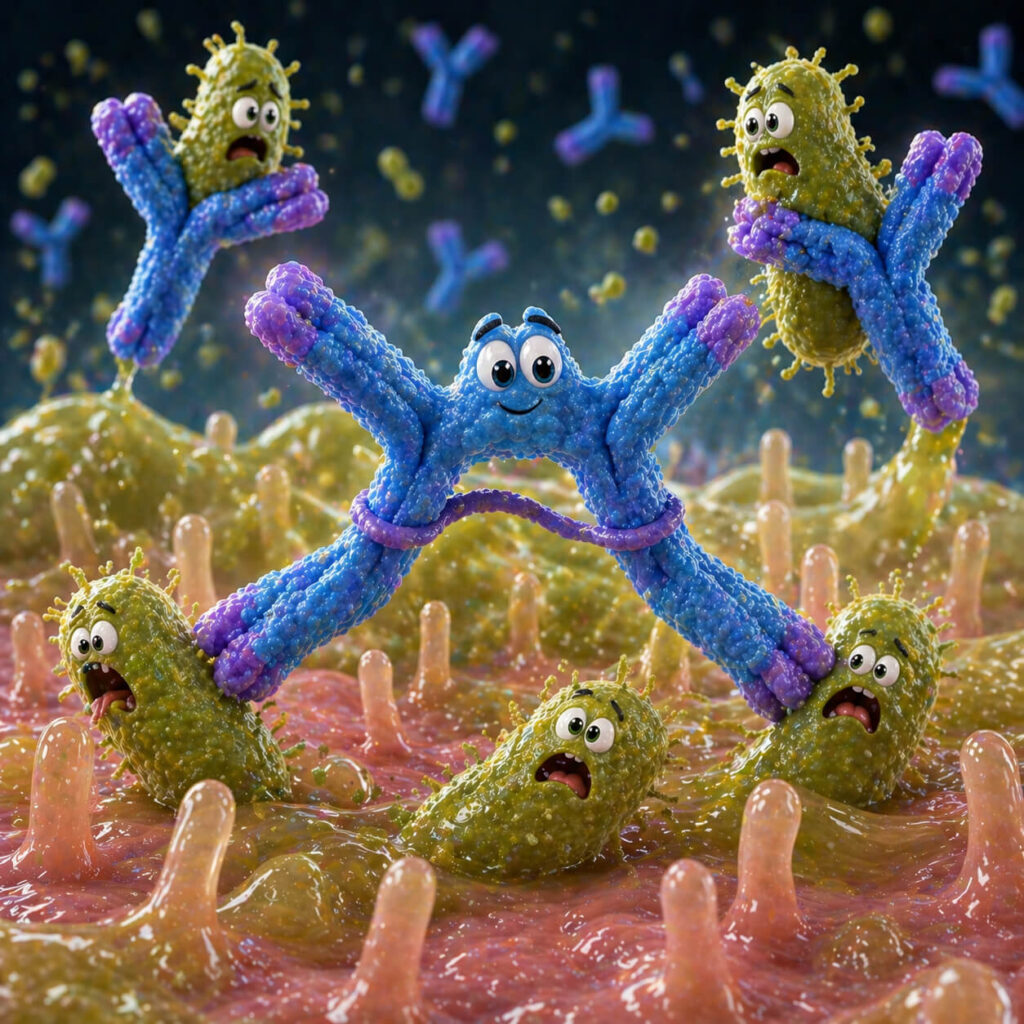
So the next time someone asks if boogers have protein, you can confidently say: yes, boogers have protein, and that protein is one of the reasons your nose is so good at protecting you. It’s not the kind of protein you’d want in your smoothie though – this protein has a very different job.
(And yes, before you ask – this is also a big reason why some animals eat their boogers. They’re literally getting tiny snacks of immune-boosting proteins. Gross? Yes. Surprisingly logical? Also yes.)
Why Boogers Are Actually Helpful
Boogers might gross us out, but they’re good for us in a lot of ways! Our bodies make boogers to protect us. Imagine the inside of your nose is like a security team, and mucus is the guard on duty. As air enters your nostrils, the mucus there is ready to trap bad stuff – germs, dirt, allergens – so they don’t go deeper into your airway. When the “bad guys” get stuck in the sticky mucus and the mucus dries, a booger is formed, holding all those caught particles prisoner.
In other words, boogers are a sign your nose is doing its job. They act like a shield for your lungs. By capturing dust and microbes in boogers, your nose prevents a lot of yucky things from getting into your lungs and making you sick. Think of boogers as your personal air filter – similar to the lint trap in a dryer or the filter in a vacuum, but in your nose! Without them, all that crud would be going straight into your body.
Not only do boogers trap invaders, but the mucus itself has some superpowers. Mucus keeps the inside of your nose moist so it doesn’t dry out and crack. (If your nose got too dry, it could bleed or let germs in more easily.) Mucus also contains special proteins and immune cells that can fight bacteria. It’s like a little germ-fighting potion. So when that mucus dries into a booger, it’s basically a wadded-up collection of all the bad stuff your nose caught, plus some germ-fighting goodies that did their job.
Bottom line: boogers help keep you healthy. They’re gross, but useful – tiny nose-bodyguards that sacrifice themselves so you stay safe from dirt and disease. Next time your child says boogers are yucky, you can add, “Yes, but thank goodness we have them!”
Why Picking Your Nose Is a No-No 🚫👃
Now, just because boogers are helpful inside your nose doesn’t mean you should go mining for them with your finger. We know it’s tempting – kids (and, ahem, grown-ups) sometimes “pick their nose” when they feel a crusty booger in there. But here’s why that habit is a bit problematic:
- Germ Spread: Remember how boogers catch germs? If you put your finger in there, those germs now get on your hands and under your fingernails. Ew! Anything you touch next (toys, food, your face) might spread those germs around. Plus, it works both ways – your dirty fingers can introduce new germs into your nose. So nose picking can turn your finger into a germ delivery service, and nobody wants that.
- Irritation & Injury: The inside of your nose is delicate. Sharp fingernails can scratch the nasal lining. Ever gotten a nosebleed after picking? That’s why. Picking can irritate or tear the tiny blood vessels in your nose, causing bleeding or sores. Frequent picking even makes your nose more likely to get infected (because those little cuts let germs in easier). In super extreme cases, constant aggressive picking might even cause a small hole in the nasal septum (the wall inside your nose) – yikes!
- It’s Just Gross (and Distracting): Let’s face it, seeing someone dig for boogers is unpleasant. Kids in school might get teased for nose picking, and adults will definitely get weird looks. It’s a hard habit to break, but it’s one that everyone around you will appreciate you breaking. After all, we call it “digging for gold” as a joke – but there’s no real treasure in there!
The best way to clear out boogers is with a tissue or by gently blowing your nose. That gets rid of the booger and keeps your hands clean. Parents can teach kids to grab a tissue when they feel something in their nose. You can even make it fun by saying, “Time to evacuate the nose aliens!” or something silly. And if boogers are really stuck, a little saline nasal spray (basically salty water mist) can help loosen them. The key is: let’s keep those fingers out of there and those boogers off the furniture!
Oh, and about that other common habit…some kids eat their boogers (yes, we cringed typing that). Why on earth would anyone do that? Well, kids might not realize it’s gross, and boogers do contain salt, so to a child a booger might taste a tiny bit like a salty snack. But even if your kid has sampled a booger or two, it’s not the end of the world – just gently discourage it. Remind them that boogers are body waste, full of germs the body wants to get rid of. In short: boogers are not food! 😜
See Your Boogers in Action with the Booger Kit! 🔬🧪
By now we’ve learned that boogers are more than just gross – they’re tiny science miracles happening in our noses every day. If your child (or you!) is fascinated by this gross science, why not turn it into a fun experiment? That’s exactly why we created the Booger Kit – a positive, hands-on STEM kit that shows your kids why picking isn’t a good idea. Instead of constantly just hearing about germs, children will learn about germs by culturing them from the bacteria/boogers in their own nose. It’s the ultimate gross-but-great learning tool – and a fun way to get kids to stop picking their nose because they’ll finally see what germs actually are!
Fun Facts About What Boogers Are Made Of
To wrap up, here are some fun booger facts you can share with your kids (perfect for an after-dinner “did you know?” or a quick science lesson). These are cool tidbits about boogers that are easy to remember – and might even impress your little ones:

-
- Boogers = Mostly Water: Dried boogers feel solid, but they mostly came from water. Mucus is about 95% water, which is why when it dries out, a lot of a booger’s size shrinks down. So a booger is basically water + captured junk!
-
- Your Nose Makes A LOT of Snot: Ever filled a big soda bottle? That’s roughly how much mucus your nose and throat produce each day – up to 1–2 quarts of snot daily. Don’t worry, most of it never becomes a booger; it quietly mixes with spit and you swallow it (gross, but true!).
-
- Boogers Come in Colors: They’re not always green. Boogers can be yellow, green, white, red, or even black! A yellow or green booger gets its tint from your body’s germ-fighting cells (white blood cells) and not from “infection” itself. Red boogers just have a little blood, and black boogers usually mean you inhaled a lot of dust or smoke. It’s like a yucky rainbow in there.
-
- Most Boogers Get Swallowed: Here’s a sneaky fact – if you don’t pick or blow it out, that dried mucus will eventually go down the back of your throat on its own. This is called postnasal drip (when snot drips down into your tummy). So yes, we all unknowingly eat our boogers in a way… but doing it on purpose is still a no-no!
-
- Even Animals Pick Their Noses: Humans aren’t the only ones with the bad habit. Scientists have observed many primates like chimpanzees, gorillas, and even lemurs picking their noses. (Some of them even eat the boogers, too – apparently nose-picking is a universal pastime in the animal kingdom!). If your kid asks who else picks their nose, you can say, “Monkeys and apes do – but they don’t have tissues like we do!”
- Boogers Are Body Guards: That little greenish clump is actually a shield that saved you from getting sick. It’s filled with dust and germs that didn’t make it into your lungs. One doctor even likened mucus to a filter that flushes out dirt and bacteria before they can cause trouble. So a booger is like a trophy showing how your nose protected you today!
- Even Animals Pick Their Noses: Humans aren’t the only ones with the bad habit. Scientists have observed many primates like chimpanzees, gorillas, and even lemurs picking their noses. (Some of them even eat the boogers, too – apparently nose-picking is a universal pastime in the animal kingdom!). If your kid asks who else picks their nose, you can say, “Monkeys and apes do – but they don’t have tissues like we do!”
-
- Boogers Are Surprisingly Salty: Mucus contains real salt, which is part of why some kids are tempted to eat them (yes, really). The salt isn’t just for flavor though. It helps mucus maintain the right consistency to trap germs effectively.
Next time your child ask what boogers are made of jokes about boogers or you catch them with a finger up their nose, you’ll have plenty of fun facts and positive spin to share. Boogers might be gross, but now we know they’re also cool and important. With a little humor and some science, we can teach kids that every “eww” in the human body has an “aha!” behind it – even boogers!
So celebrate those nose-made boogers (in a hygienic way, please!). They’re the unsung heroes of our sniffles and sneezes, working hard to keep us healthy. Happy booger science! 🥳👃💚